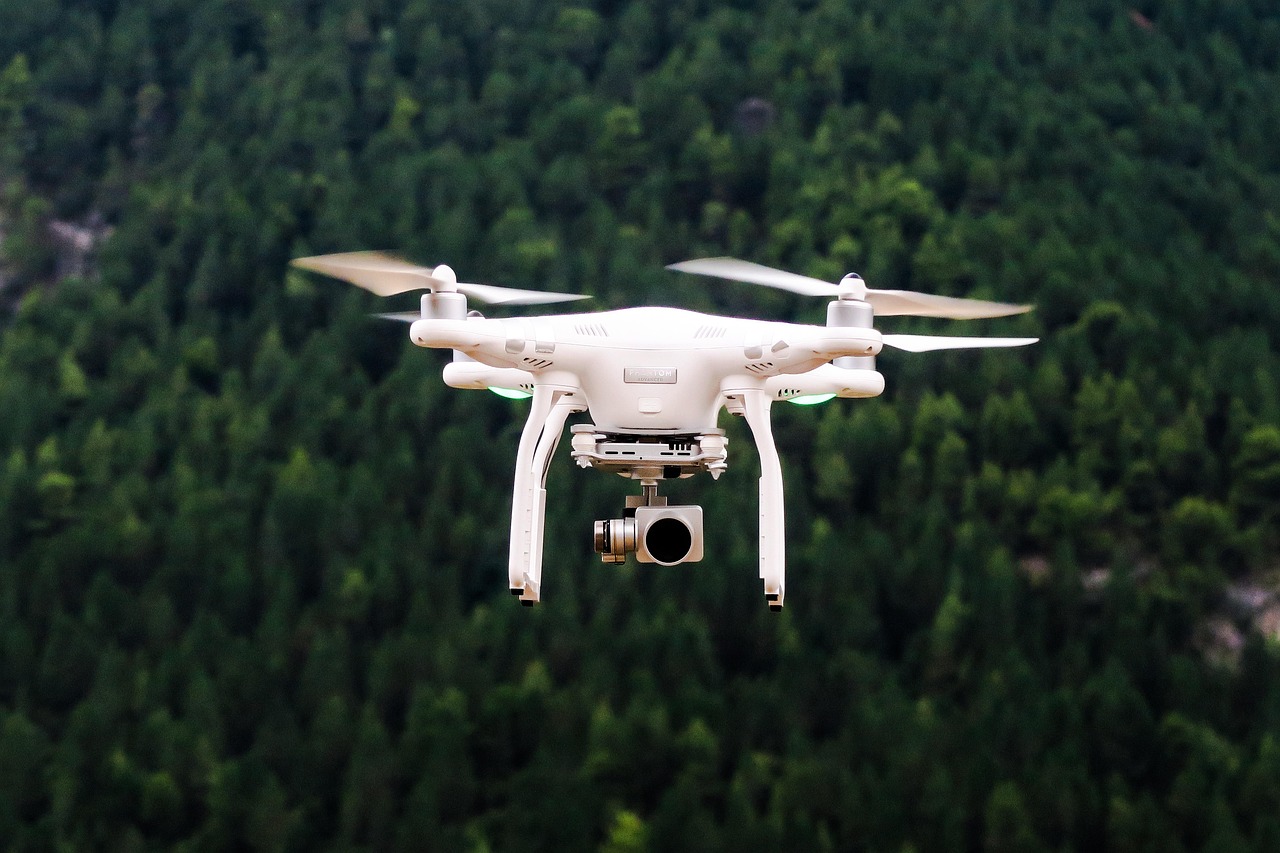
Pasco County Sheriff Chris Nocco is proposing an 86-drone fleet funded by $9 million in Federal Emergency Management Agency, or FEMA, money, announced alongside the termination of the county's license plate reader program.
Sheriff's Office Ends Camera Deal, Unveils Drone Plan
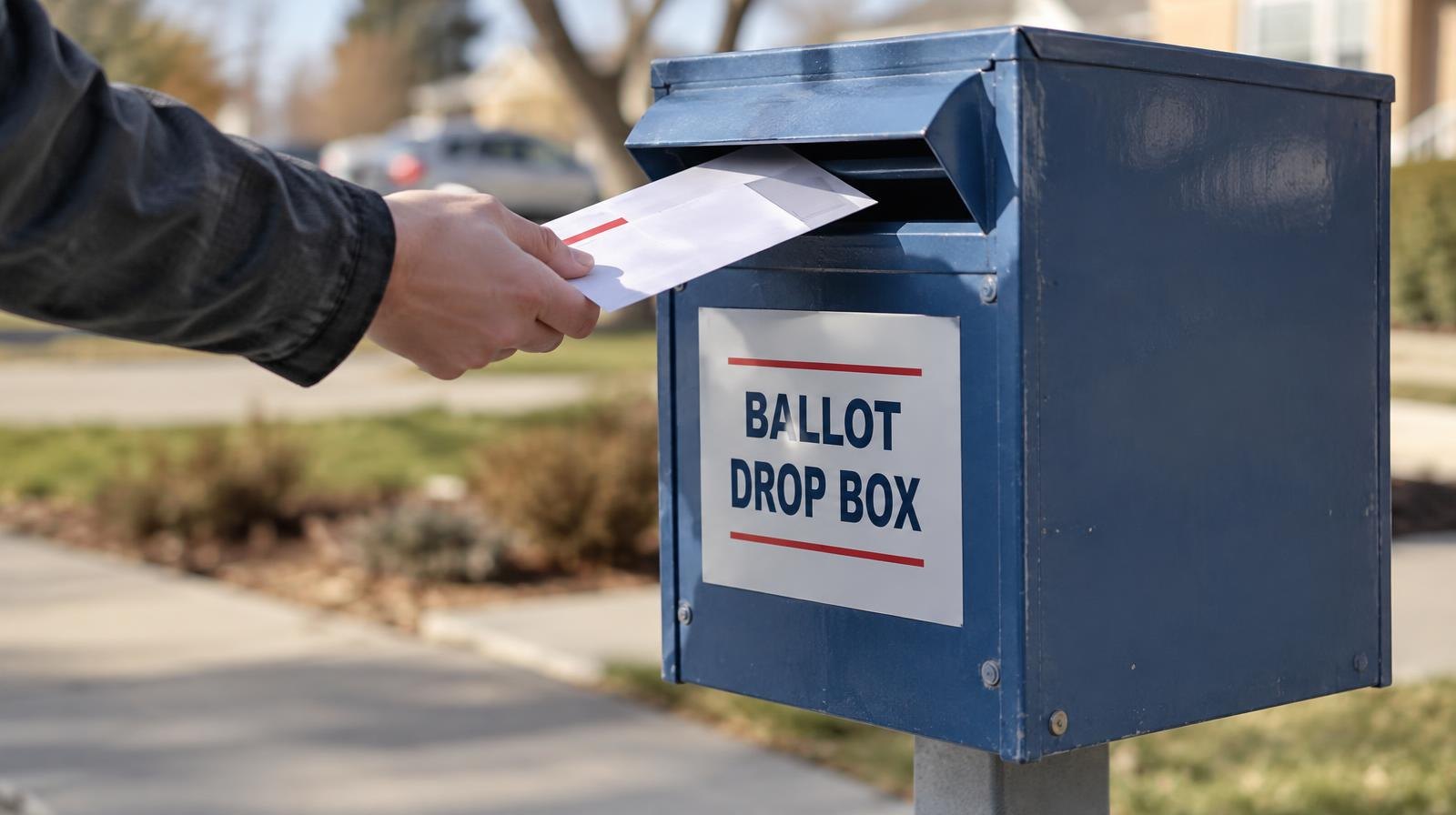
The Pasco County Sheriff's Office disclosed the plan Tuesday, the same day it ended its agreement with Axon for a new license plate reader system, often called LPR, citing community concerns over potential misuse. The proposed Drone as First Responders program would place 21 drone docking stations on public property across the county, as the Hernando Sun first reported.
The program would be purchased through Skydio, which already supplies drones to the sheriff's office. Over the contract term, the agency would receive 86 total drones: 21 dock-based units, 22 patrol drones and a full equipment refresh in the third year. FEMA funding would cover the $9 million cost, according to the sheriff's office.
Drones Would Launch Automatically When Deputies Are Dispatched
Each dock-based drone would launch automatically when dispatched to a 911 call, fly to the scene and give deputies an aerial view before they arrive. The sheriff's office said drones would assist with missing persons, school threats, domestic violence calls, armed suspects, fires and storm response.
Nocco framed the program as a staffing solution. He said in a statement that Pasco County has fewer deputies per resident than most Florida counties and cannot afford to pass up tools that help existing personnel respond more effectively.
Proposal Follows County's Push to Study Surveillance Technology
The drone proposal arrives amid an ongoing debate over surveillance technology in Pasco County. As reported Sept. 1, the Board of County Commissioners on Aug. 25 directed staff to form a task force of residents and experts to study license plate readers, drones and related technology. A public workshop is expected before any future program moves forward.
That debate has been sharp. Resident Christy Zimmer, speaking at the Aug. 25 commission meeting about the LPR program, urged officials to "demand safeguards before deployment ... require meaningful auditing."
Sheriff's Office Says Rules Would Limit Drone Use to Assigned Calls
The sheriff's office said drones would fly only when assigned to a specific call, not for general surveillance. Video would upload directly to the agency's evidence-management system and then be deleted from the drone. Trained sheriff's office personnel would operate all units under Federal Aviation Administration, or FAA, rules and Florida Statute 934.50, which limits law enforcement drone use to situations such as active warrants, imminent danger and missing-person searches.
The agency already holds FAA approval, granted in March, for a single pilot to operate up to four Skydio X10 drones simultaneously under a beyond-visual-line-of-sight waiver, according to DroneXL.
License Plate Camera Removal Leaves Private Cameras in Place
The LPR termination ends the sheriff's use of about 60 cameras in county rights-of-way. Roughly 110 privately owned cameras at homeowner associations, gas stations and retail stores will remain, according to Tampa Bay Beacons. The existing Flock Safety camera contract expires Sept. 30.
Privacy Advocates Warn of Broader Data Collection Risks
The Electronic Frontier Foundation has warned that drone-as-first-responder programs risk collecting data on anyone within a drone's flight path, particularly in neighborhoods with high volumes of 911 calls. More than 1,000 public safety agencies nationwide had secured FAA drone authorization as of February, the digital rights group reported.
No timeline has been set for the commission's technology task force workshop or for any vote on the drone program
.jpg)