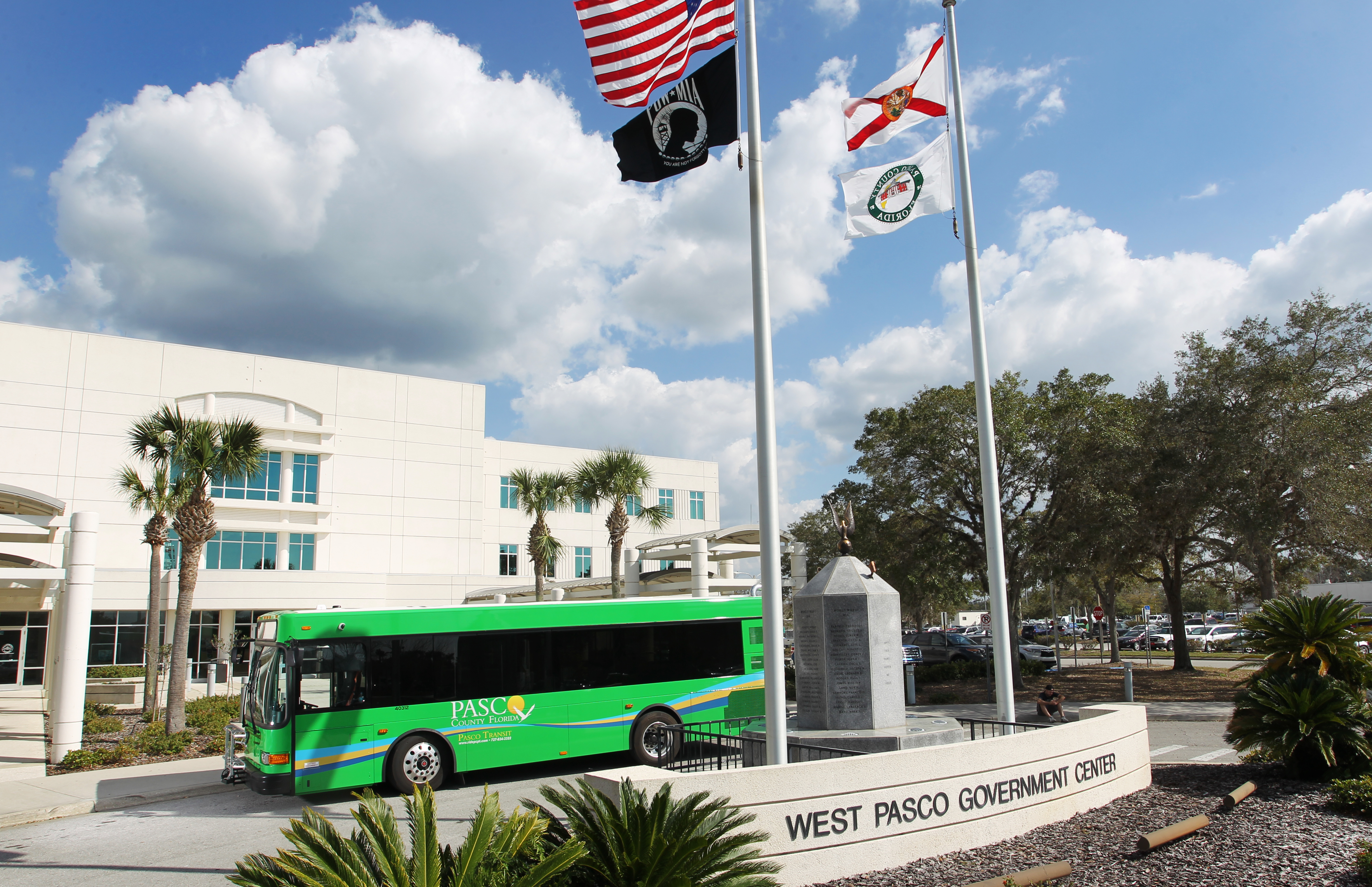
The Associated Press called Amendment 3 approved. Unofficial Florida Election Watch returns checked Nov. 4 showed 4,917,482 yes votes statewide, or 61.99%, above the 60% threshold. Pasco County projections estimate $128.1 million in first-year losses across the General Fund, fire rescue and road rehabilitation.
The amendment needed 60% to pass and garnered 62%, according to Bay News 9. The Associated Press called the result on election night, WFTS reported.
For Wesley Chapel homeowners, the change means a bigger chunk of their home's value will be shielded from non-school property taxes. For Pasco County's budget, it opens a gap that county projections peg at $128.1 million in the first year alone.
What changes
The homestead exemption for non-school property taxes rises from $50,000 to $150,000 starting Jan. 1, 2027. It jumps again to $250,000 on Jan. 1, 2028. After that, the cap adjusts annually with the Consumer Price Index, according to Pasco County's education page on the amendment.
School taxes are not affected. Community development district fees and other non-ad valorem assessments will still be collected, the county's page states.
The amendment also lowers the annual assessment-growth cap on non-homestead property, such as rentals and commercial buildings, from 10% to 5%. New Florida residents who were not living in the state on Dec. 31, 2026, generally must wait up to five years before claiming the larger exemption.
Homeowners will first see the change on August 2027 TRIM notices and November 2027 tax bills, according to the county.
Pasco's budget exposure
Pasco County's FY2026-based projections, reviewed in an Aug. 11 budget discussion, put the first-year General Fund loss at $96.1 million. Fire and rescue would lose $27.1 million, and road rehabilitation would lose $4.9 million.
By year two, the combined annual loss across those three streams would reach $208.6 million relative to the original baseline.
The county's total FY2026 expense breakdown is $567.2 million. Of that, $473.94 million is classified as mandated spending and $93.26 million as non-mandated. A $96.1 million General Fund loss would leave less revenue than the mandated spending alone requires, even before touching parks, libraries or road capital.
The county's FAQ page notes that non-restricted funds, which come mainly from property taxes, pay for public safety, road construction and maintenance, parks, libraries and courts. The Board of County Commissioners directs how that money is spent.
Supporters and critics
Craig Kincheloe, a real estate executive with the Kincheloe Group, told Bay News 9 that eligible homeowners could save roughly $1,300 on their 2027 tax bill and about $2,700 in 2028 and beyond.
But he cautioned the savings may not be straightforward.
Wayne Bernoska, president of the Florida Professional Firefighters, said before the vote that the amendment lacked protections for local governments that depend on property tax revenue to fund public safety, WFTS reported in October.
"The concern that came about us is there are no guardrails put in place," Bernoska said.
Ernest Hooper with United Way Suncoast said reduced local revenue could mean less public funding for programs serving children and families, including after-school programs, libraries and recreation centers, Bay News 9 reported.
Gov. DeSantis, who championed the measure, had argued homeowners need relief from rising property taxes. He also pitched the idea of state grants to help local governments facing funding gaps, WFLA reported in September.
What comes next
The full impact will not be known until revenue reductions begin taking effect in 2027 and 2028. The county has not announced a formal budget response to the amendment's passage.
Pasco County's property tax base funds fire rescue, the Sheriff's Office, road maintenance, stormwater work and other services across Wesley Chapel, Land O' Lakes, New Port Richey and other communities. Any shortfall would likely have to be covered through higher fees, special assessments, other taxes or service reductions, according to a pre-election analysis published by this outlet's partner site.
The county's next budget cycle will be the first to reflect the new exemption levels.